

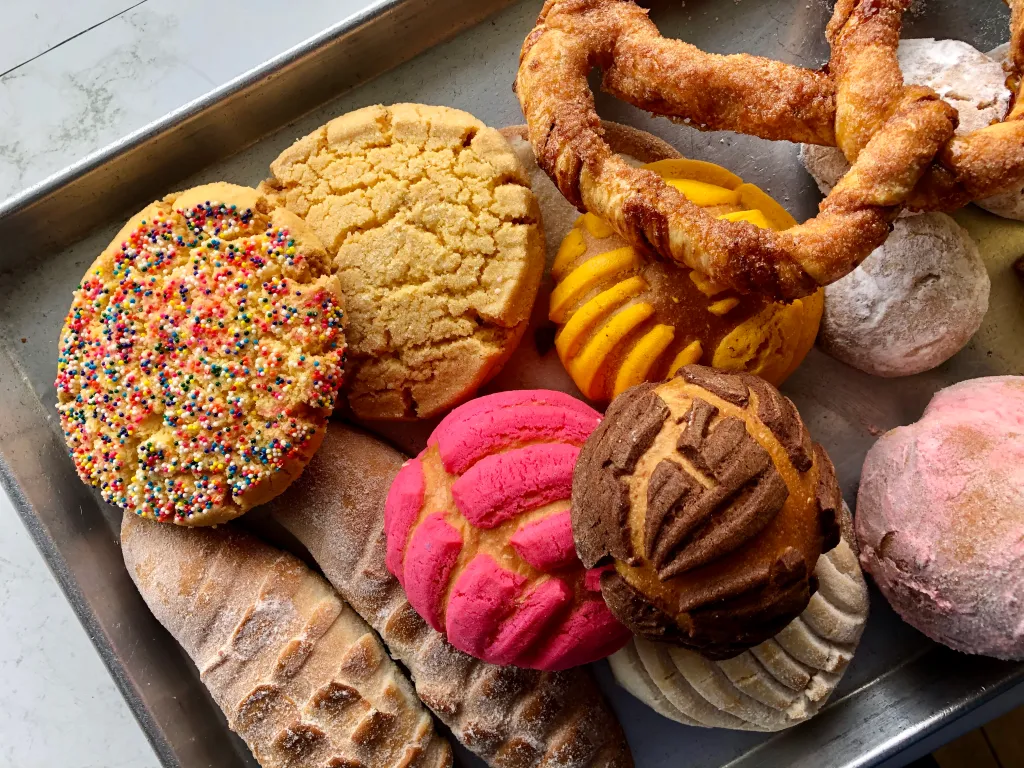
Mexican bread occupies a place within household food culture that few baked goods in any culinary tradition match for consistent daily presence. A comprehensive guide to traditional pan dulce reveals why these sweet breads appear across breakfast tables, afternoon coffee breaks, and celebratory gatherings with equivalent frequency. Their accessibility, variety, and cultural significance combine into a food category that households across every socioeconomic level incorporate as a daily staple rather than an occasional treat. Identifying what makes pan dulce genuinely indispensable requires looking beyond surface-level sweetness toward the structural role these breads play within Mexican domestic and social life.
Variety sustains daily interest
Pan dulce encompasses dozens of distinct bread varieties that rotate through household consumption across the week without repetition fatigue diminishing the category’s appeal across extended daily presence. Each variety carries its own distinct shape, texture, topping, and flavour profile that skilled panaderos develop through techniques refined across generations rather than standardised industrial production methods. Variety within the category sustains household interest through options that match different daily contexts:
- Conchas, shell-patterned sweet rolls with crumbly sugar topping in vanilla, chocolate, and strawberry varieties that appear most consistently across morning and afternoon bread baskets throughout the week.
- Cuernos crescent-shaped rolls with flaky layered texture and light sugar glaze that provide a less sweet option within pan dulce selections suited to pairing with coffee or hot chocolate.
- Polvorones crumble, shortbread-style cookies carrying cinnamon and sugar that contribute a drier, firmer texture contrast within selections where softer bread varieties dominate
- Orejas palm-shaped puff pastry rounds caramelised with sugar that deliver a crisp, flaky texture distinct from yeast-risen varieties across the same bakery selection.
Daily rotation through available varieties means household members encounter different textures, sweetness levels, and topping combinations without the category exhausting its appeal across the frequent consumption frequency that staple status requires.
Bakery culture builds accessibility
The panadería model neighbourhood bakeries producing fresh pan dulce daily for immediate local purchase create a distribution infrastructure that places fresh bread within accessible reach of virtually every Mexican household, regardless of urban or rural location. Accessibility through neighbourhood bakeries determines staple status as directly as quality and variety, because food categories requiring significant travel, cost, or effort to access never achieve the daily consumption frequency that genuine household staple status demands across all demographic levels:
- Affordable pricing structures individual pan dulce pieces priced accessibly across all income levels, with mixed selection trays allowing households to purchase variety assortments rather than single variety quantities that limit exposure to the full range available
- Daily fresh production cycles,anadería production schedules, delivering fresh bread across morning and afternoon availability windows that align with the household consumption moments, pan dulce accompanies most naturally throughout the day.
- Self-selection display formats open bakery display cases with tongs and trays, allowing customers to select individual pieces from the full available variety rather than purchasing pre-packaged selections without visual assessment of freshness and variety.
The neighbourhood bakery relationship builds household familiarity with pan dulce selection processes that children develop alongside adults, reinforcing cultural transmission of bread selection knowledge and variety preference across generations who grow up treating panadería visits as a routine household activity.
Occasions anchor significance
Pan dulce varieties tied to specific celebrations and seasonal occasions reinforce the category’s household significance beyond daily consumption by embedding specific bread types within culturally meaningful events that households participate in across the annual calendar. Day of the Dead altars incorporating pan de muerto, Three Kings Day rosca de reyes shared across family gatherings, and Christmas season buñuelos each connect specific bread varieties to cultural occasions that household participation in those events requires engagement with. These occasion-specific varieties strengthen the category’s overall household presence by associating pan dulce with both everyday accessibility and culturally significant moments simultaneously, a combination that food categories occupying purely everyday or purely celebratory roles never achieve within equivalent cultural significance.
Pan dulce achieves household staple status through variety, sustaining daily interest, bakery accessibility, making frequent purchase practical, cultural occasion significance, deepening emotional attachment, and regional identity connection, giving bread selection meaning beyond nutrition and taste alone.
