

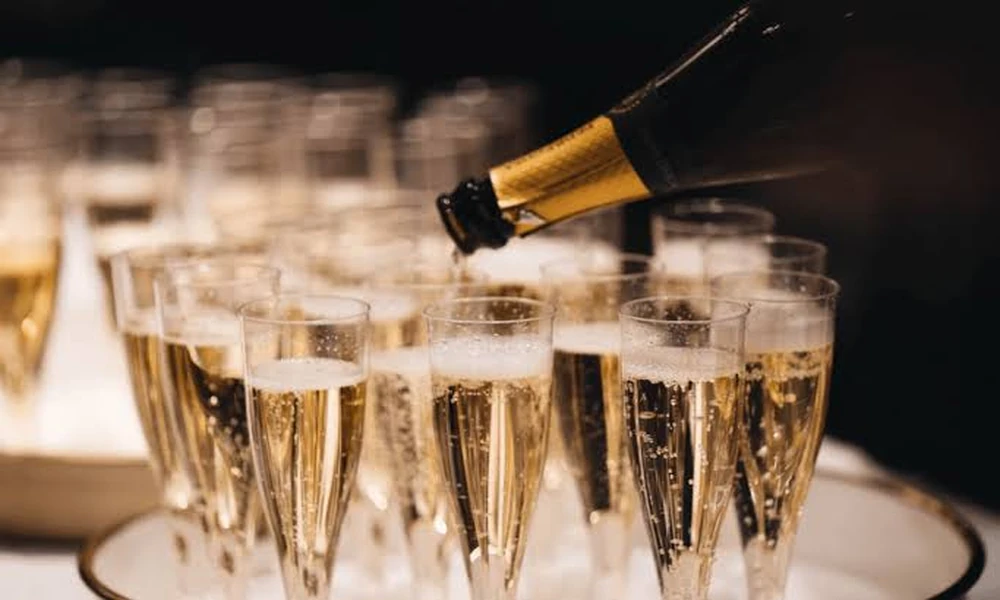
Champagne has a way of making an ordinary gathering feel like an occasion. A birthday dinner, a wedding toast, a long-awaited reunion or a quiet New Year’s Eve can all call for something sparkling, but choosing the right bottle is less straightforward than grabbing the most familiar label on the shelf. Style, sweetness, grape variety, food and even the number of guests can change what works best.
Start with the occasion, not the label
For anyone looking for good Champagne recommendations for your next festive gathering, the first question should be what the bottle is expected to do. Is it meant to open the evening, accompany dinner or take centre stage at midnight? A non-vintage Brut is often a practical choice for a crowd because its house style is designed to remain consistent from one release to the next. It can also work from the first toast through much of a meal.
For a more intimate celebration, however, a bottle with a more distinctive profile can make the occasion feel personal. Blanc de Blancs, made from white grapes and principally Chardonnay, tends toward freshness, citrus and floral notes. Blanc de Noirs, made from Pinot Noir and/or Meunier, generally brings more body and fruit character.
Understand what the grapes bring to the glass
Chardonnay for freshness and finesse
Chardonnay is often associated with lively acidity, mineral character and citrus or white-flower aromas. That makes Blanc de Blancs a natural option for an aperitif, seafood and lighter dishes. It can also appeal to guests who prefer a Champagne with a leaner, more precise profile.
Pinot noir and meunier for structure
Pinot Noir contributes structure, body and red-fruit notes, while Meunier is known for fruitiness and a rounder impression. A Champagne dominated by these varieties can therefore feel broader and more substantial at the table.
Rosé offers another route. Champagne rosé can be produced either through maceration of black grapes or by blending white Champagne with red Champagne wine. Its colour and additional fruit character make it particularly fitting when the visual side of a celebration matters as much as the menu.
Sweetness matters more than many guests realise
The word “Brut” is not simply a synonym for dry Champagne. It refers to a wine containing less than 12 grams of sugar per litre. Extra Brut contains between 0 and 6 grams, while Brut Nature, also called Pas Dosé or Dosage Zéro, contains less than 3 grams and has no added sugar. At the sweeter end, Demi-Sec contains between 32 and 50 grams per litre.
For a reception where guests have different tastes, Brut is often the easiest middle ground. If dessert is part of the celebration, a sweeter style can make more sense. Sec or Demi-Sec can work particularly well with creamy and fruit-based desserts, although very sweet chocolate desserts can be more challenging to pair.
Let the menu influence the choice
Champagne does not have to wait until the canapés disappear. A Brut can accompany an entire meal, while Blanc de Blancs can sit comfortably alongside seafood and delicate starters. More structured Blanc de Noirs styles can handle richer preparations, and rosé opens the door to dishes featuring red fruit or more pronounced savoury flavours.
The important point is not to treat Champagne as a single flavour category. Its range is wide enough to move from oysters and sushi to poultry, cheese and selected desserts. Thinking about the food before buying the bottle can prevent a mismatch that becomes obvious only after the cork has popped.
Vintage or non-vintage?
A vintage Champagne is made exclusively from grapes harvested in one year. Most Champagne, by contrast, is non-vintage and may combine wines from several harvests.
That distinction is useful when choosing a bottle for a milestone. A vintage can add a sense of place and time to an anniversary or major birthday, while a non-vintage Brut may be better suited to a larger, less formal gathering where consistency and versatility are priorities.
Serve it properly once the choice is made
Even an excellent bottle can lose some of its appeal if it is served poorly. Champagne generally shows its qualities best at around 8°C to 10°C. A bottle can be chilled in an ice-and-water bucket for roughly 30 minutes or kept in the refrigerator for several hours.
Glassware matters, too. A tulip-shaped glass gives the wine room to release its aromas while helping preserve the visual movement of the bubbles. Pouring carefully can also help control the foam and leave enough space for aromas to develop.
The bottle should fit the moment
Choosing Champagne for a celebration is ultimately less about finding the most expensive name and more about understanding the setting. A lively Brut may be exactly right for a crowded reception, while a Blanc de Blancs can suit a seafood dinner and a vintage bottle can give a milestone gathering a stronger sense of occasion. Once sweetness, grape variety, food and service are considered together, the choice becomes considerably easier.
A better toast starts before the cork comes out
The best celebration bottle is the one that makes sense for the people around the table. Champagne offers enough styles to make that possible, whether the evening calls for something crisp and restrained, generous and fruity, or simply familiar enough to please a room full of different tastes. The real trick is choosing with the occasion in mind and giving the bottle the attention it deserves when the moment finally arrives.
FAQ
What Champagne should I buy for a celebration?
A non-vintage Brut is a versatile choice for guests with different tastes. For a milestone birthday or anniversary, a vintage Champagne can add a special touch.
What Champagne goes best with wedding cake?
Demi-Sec Champagne often pairs well with fruit-based or creamy wedding cakes. Its sweetness helps balance the dessert.
How many glasses are in a bottle of Champagne?
A standard 750 ml bottle provides around six 125 ml glasses. For a single toast, plan roughly one bottle for every six guests.
What temperature should Champagne be served at?
Serve Champagne at around 8°C to 10°C. Chill it in an ice-and-water bucket for approximately 30 minutes or refrigerate it for several hours.
What glasses are best for Champagne?
Tulip-shaped glasses help concentrate aromas while preserving bubbles. Their wider bowl gives the wine more room to express its character.
