

After spending eight years teaching travelers how to make hoppers in a home kitchen in Colombo, I’ve learned something unexpected: the best way to understand a culture isn’t through its monuments or museums. It’s through what people eat for breakfast.
Sri Lankan cuisine is having a moment globally. But there’s a gap between what’s served in trendy restaurants and what actually happens in Sri Lankan homes. The difference isn’t just about authenticity—it’s about understanding why certain dishes evolved the way they did.
Here are three dishes that tell you more about Sri Lanka than any guidebook, and the food science and cultural context that make them work.
1. Hoppers (Appa): A Lesson in Fermentation and Texture Contrast
To an outsider, a hopper looks simple—almost like a bowl-shaped crepe. But achieving the signature texture requires understanding a delicate balance of chemistry and technique.
The batter is made from rice flour, coconut milk, and a touch of toddy (palm wine) or yeast. The fermentation process—typically 6-8 hours—does two things: it creates the subtle sour flavor that defines a good hopper, and it develops the gluten-like structure needed for the batter to hold its shape when swirled in the pan.
What makes hoppers remarkable is the texture contrast. The edges should shatter like thin glass, while the center remains soft and slightly spongy. This happens because of the achchiya—the rounded pan that allows the batter to climb up the sides in a thin layer while pooling thicker in the center. High heat crisps the edges; steam from the coconut milk cooks the center.
The Cultural Context:
Hoppers were traditionally breakfast fuel for laborers. The fermentation made the rice flour easier to digest and improved nutrient availability. Today, egg hoppers (biththara appa) are a weekend treat, often paired with a spicy coconut sambol that provides fat and heat to balance the mild, slightly sweet batter.
2. Fish Ambul Thiyal: When Preservation Becomes Flavor
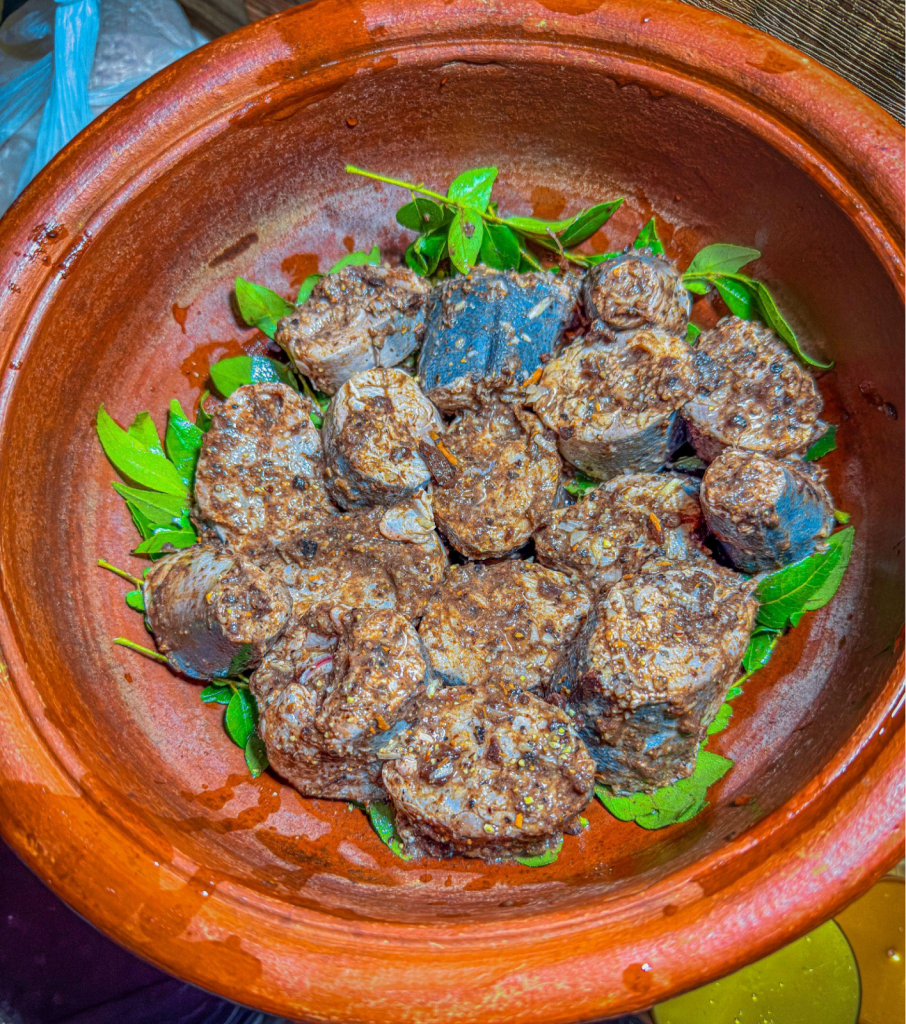
Most island cuisines lean heavily on coconut milk-based curries. Sri Lanka has those too, but the dish that truly represents the island’s coastal ingenuity contains no coconut milk at all.
Ambul thiyal is a dry, intensely flavored fish curry from the southern coast. The key ingredient is goraka (Garcinia cambogia), a dried fruit that acts as both a souring agent and a preservative. Combined with black pepper, curry leaves, and firm fish like tuna, the dish becomes a thick, almost paste-like curry that clings to the fish.
The Science:
The acidity from goraka and the antimicrobial properties of black pepper allowed fishermen to preserve their catch for days without refrigeration. The intense reduction of liquid during cooking concentrates flavors and creates an almost umami-rich coating around the fish.
This is functional food at its finest: born from necessity, refined into something delicious. It’s a reminder that some of the world’s best flavors come from solving practical problems rather than pursuing luxury ingredients.
3. Pol Sambol: The Democratic Condiment
If there’s one thing you’ll find on every Sri Lankan table—from roadside kiosks to five-star hotels—it’s pol sambol.
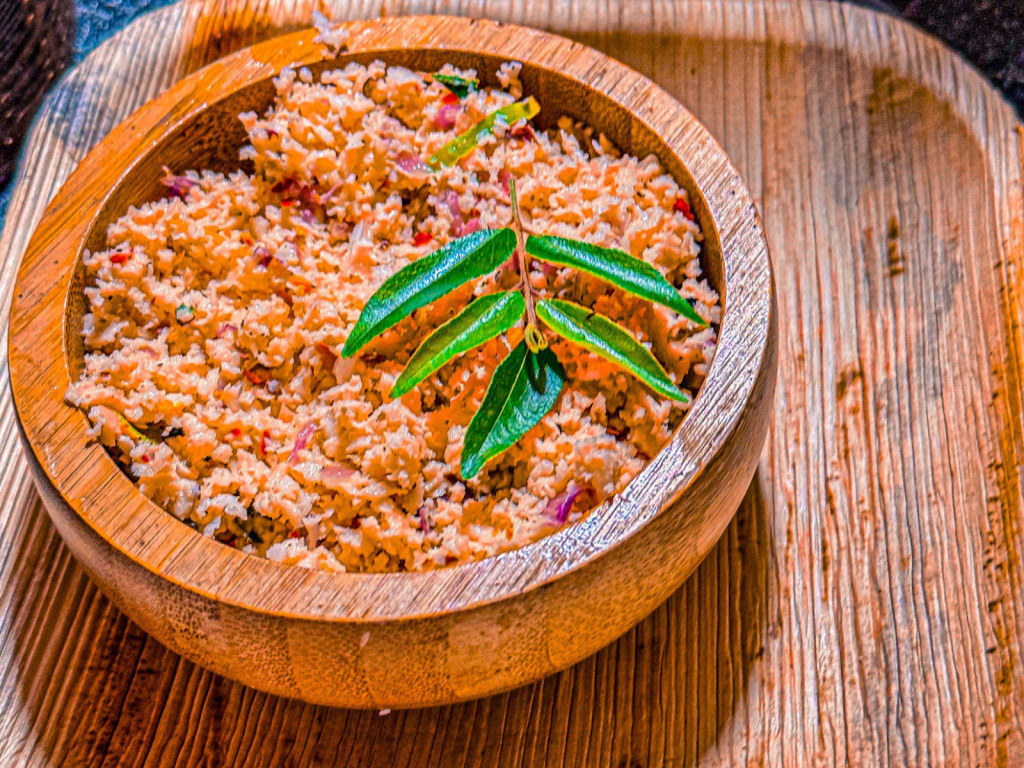
It’s deceptively simple: fresh grated coconut, dried red chilies, red onion, lime juice, salt, and sometimes a bit of Maldive fish (dried tuna). The ingredients are ground together using a miris gala (stone mortar and pestle), which releases the oils from the coconut and creates a rough, textured paste.
Why It Works:
The fresh coconut provides fat and mild sweetness. The chilies bring heat. The onion and lime add sharpness and acidity. Together, they create a condiment that can elevate plain rice, balance rich curries, or add moisture to dry bread.
What makes pol sambol culturally significant is its accessibility. Unlike many dishes that require expensive ingredients or specialized equipment, sambol is made from things available in any Sri Lankan backyard. It’s the great equalizer—a dish that transcends economic class.
What These Dishes Teach Us About Food Culture
After years of teaching these recipes, I’ve noticed something: the visitors who get the most out of learning Sri Lankan cooking aren’t necessarily the most experienced cooks. They’re the ones who ask why things are done a certain way.
Why ferment the hopper batter overnight instead of using baking powder? Why use a stone mortar instead of a food processor for sambol? Why does ambul thiyal taste better the next day?
The answers reveal something deeper than recipes. They show how climate, geography, and economics shape what we eat. They demonstrate that limitations often drive innovation. And they prove that the most interesting food isn’t always the most complex.
How to Experience This Yourself
If you’re interested in learning more about Sri Lankan food beyond restaurant menus:
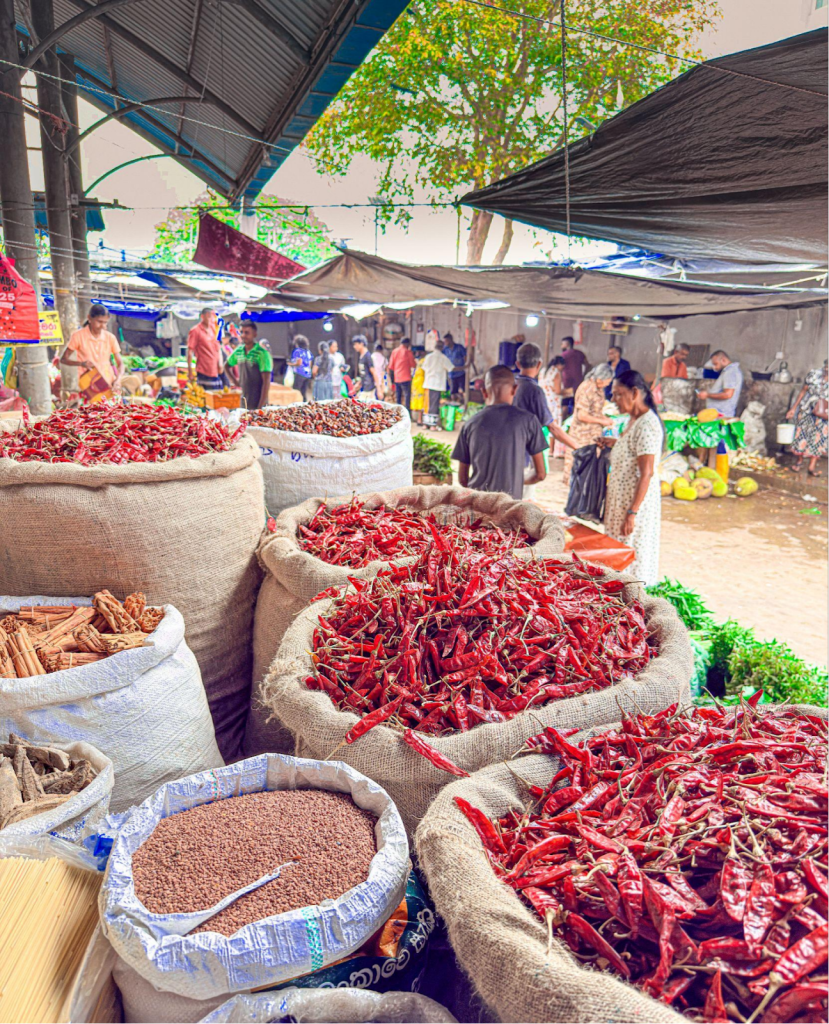
Visit local markets early in the morning. Watch how vendors prepare fresh coconut, how they select fish, how they handle spices. The pola (market) is where you’ll see the ingredients in their raw form and understand the daily rhythms of Sri Lankan food culture.
Try cooking in a traditional setting if possible. Clay pots conduct heat differently than metal. Wood fires create different flavor profiles than gas stoves. These aren’t just romantic details—they actually affect the final dish.
Learn to eat with your hands. Sri Lankan food is meant to be mixed—the cool sambol with the hot rice, the runny curry with the crispy papadum. Your fingers are the best tool for creating the perfect bite.
Most importantly, ask questions. The stories behind the food are as nourishing as the food itself.
About the Author:
The insights in this article are drawn from Rustic Colombo, a pioneer market-to-table culinary experience. As a well-established Colombo cooking class that has specialised in traditional Sri Lankan cuisine since 2014, the sessions emphasise market visits and home-style claypot cooking rather than commercial or “10-curry” style demonstrations.
