

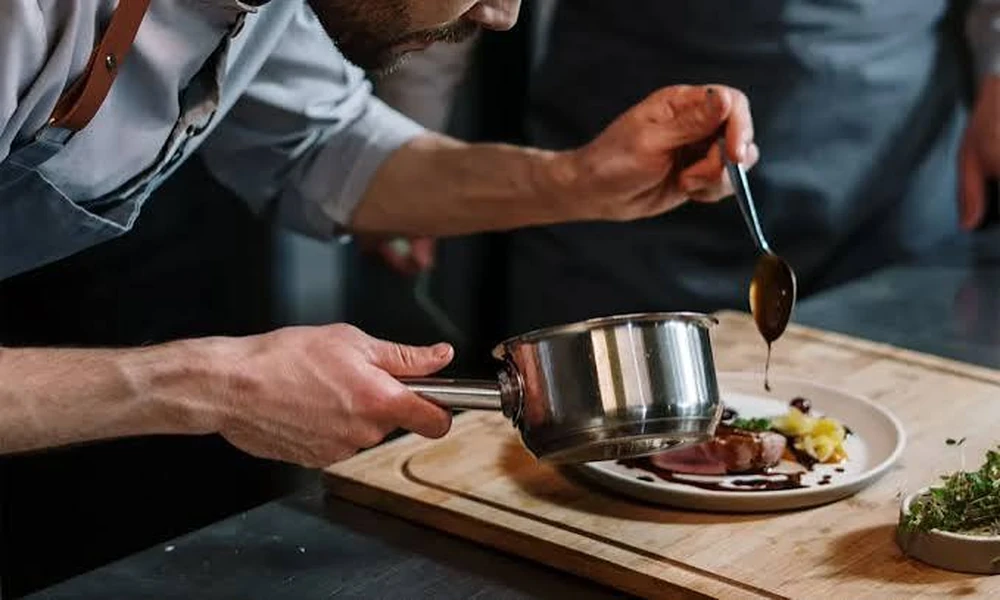
Fine dining is often reduced to white tablecloths and high prices, but the restaurants that genuinely earn the label rely on something more layered than decor and cost. The most memorable fine dining experiences succeed because every element, from the first greeting to the final course, is deliberately choreographed to feel effortless. Understanding what actually goes into that choreography helps explain why some expensive meals feel unforgettable while others feel like little more than an inflated bill.
For diners exploring elevated culinary experiences, fine dining in Coral Gables can offer a combination of carefully prepared cuisine, attentive service, and thoughtfully designed surroundings. A memorable meal is often shaped by more than the food alone, with details such as menu presentation, atmosphere, pacing, and knowledgeable staff contributing to the overall experience. Considering these elements can help diners understand what sets a refined restaurant apart and choose an experience that suits a special occasion or an evening focused on exceptional food.
Cuisine Built Around Craft, Not Just Ingredients
Exceptional fine dining starts with food that reflects real technique and intention rather than simply using expensive ingredients. Chefs in this category typically build menus around seasonal, carefully sourced components, using them to construct dishes that balance flavour, texture, and presentation. Signature dishes often become part of a restaurant’s identity, giving diners something distinctive to associate with the experience long after the meal ends.
Service That Anticipates Rather Than Reacts
What separates fine dining service from a merely attentive waiter is the ability to anticipate needs before a guest has to ask. Staff are trained to notice an empty water glass, sense when a course should be cleared, and offer wine pairings without being intrusive about it. This level of service requires a much higher staff-to-guest ratio than typical restaurants maintain, allowing each table to receive individualised attention throughout the meal.
An Atmosphere Designed With Intention
Lighting, acoustics, table spacing, and even the choice of glassware all contribute to how a meal feels, and none of these details is left to chance in a well-run fine dining establishment. Some restaurants now favour custom furniture and natural materials over traditional white tablecloths, but the underlying goal remains the same: creating a room that feels considered rather than accidental.
Personalisation and Pacing
The best fine dining experiences also adjust to the individual guest, remembering preferences, accommodating dietary needs gracefully, and pacing courses so that no part of the meal feels rushed or drawn out. This sense of being cared for as an individual, rather than processed as one table among many, is often what guests remember most vividly after the meal is over.
Consistency Behind the Scenes
What guests experience at the table depends heavily on systems they never see, from precise kitchen timing to constant communication between the dining room and the back of house. A truly exceptional fine dining operation maintains this level of coordination on every service, not just when a special guest or reviewer happens to be present, and that reliability is often what separates a restaurant with a passing reputation from one that sustains its standing for years.
Conclusion
None of these elements works particularly well in isolation; a beautifully plated dish served carelessly, or flawless service in a poorly designed room, both fall short of what fine dining promises. It’s the seamless coordination between cuisine, service, atmosphere, and personal attention that turns an expensive meal into a genuinely exceptional experience worth remembering.
