

At a glance
- Changes in cheese melt, texture and flavour disrupt the balance of the burger build, impacting customer experience.
- Inconsistent cheese performance can cause customers to lose confidence in a burger they previously trusted.
- Visible, textural and flavour variations in cheese can affect how a restaurant is perceived through reviews and word of mouth.
- When burgers feel unpredictable from visit to visit, repeat ordering declines as customers shift to reliable alternatives.
In a commercial kitchen, cheese inconsistency shows up as variation in flavour, melt behaviour, texture, aroma, colour or slice thickness. These differences can come from batch variation, temperature exposure during storage or inconsistent handling during service. Each of these factors affects how the cheese behaves once it hits the grill.
As cheese is a core structural and sensory component of the burger, any inconsistency in its performance carries through to the finished build. Melt rate affects coverage, texture impacts mouthfeel and changes in colour or flavour influence the perceived value of the burger.
So, can inconsistent cheese affect customer satisfaction in your restaurant? Yes. When a burger looks or tastes different from one visit to the next, customers notice. Over time, even small differences compound and shape how they judge quality and reliability.
Let’s understand how these cheese inconsistencies shape the overall customer experience, and how you can maintain consistency across services with standardised recipes, staff training, quality control and the use of stable Hi-Melt cheese slices.
Compromises Customer Experience
Cheese plays a key role in how a burger looks, tastes and feels. When its performance changes, the overall balance of the burger build shifts. Some burgers may taste heavier or sharper than intended, while others are flat or underwhelming.
Melt behaviour affects how the cheese slice spreads across the patty, while texture influences the mouthfeel from the very first bite. When these elements, along with the cheese’s flavour profile, vary across services, the burger’s taste and feel become inconsistent, undermining the experience customers expect.
Erodes Customer Trust
Customers come back for the same burger they ordered last time. When the cheese melts differently, looks lighter or darker than usual or tastes slightly off, the change is noticeable.
Even when the rest of the build remains unchanged, variation in cheese performance introduces doubt. Customers begin to question whether the kitchen can deliver the expected quality each time. As that uncertainty rises, confidence in the product erodes.
Damages Restaurant Reputation
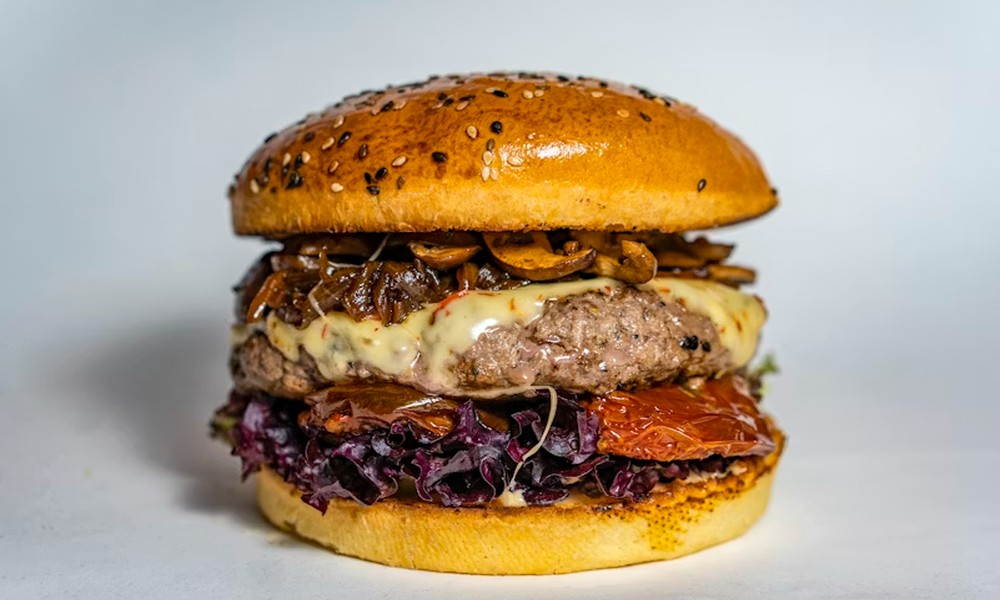
Inconsistencies do not stay confined to the kitchen. They surface in customer feedback, reviews and casual conversations. Visual issues such as cheese slipping off the patty, uneven melt or noticeable variation in finish are easy to spot and often shared online.
A single off-burger may be dismissed, but repeated inconsistencies suggest a lack of control. Over time, poor customer experience shapes how a venue is perceived, often more strongly than occasional service delays or isolated errors.
Reduces Repeat Business
Repeat visits rely on familiarity. Customers return because they know what they are going to get. When cheese performance changes the flavour, texture or appearance of a burger, that sense of familiarity disappears.
Even minor variations can make the experience feel unpredictable. Faced with uncertainty, customers are more likely to choose venues where outcomes feel dependable. As repeat visits decline, revenue becomes harder to forecast and retain.
Cheese inconsistency affects more than the burger alone; it introduces variability that can weaken customer trust, damage reputation and reduce repeat business. Managing this inconsistency starts with strengthening operational processes.
Standardised recipes ensure every burger is prepared the same way by specifying the cheese type, slice thickness, placement on the patty and the exact point at which it should be added during cooking. Staff training reinforces these steps while supporting proper handling and storage practices that maintain consistent cheese performance throughout service. Quality control provides another layer of consistency by monitoring storage temperatures, inspecting burger builds and verifying melt performance during service.
Lastly, working with a reliable cheese supplier, such as The Burger Cheese, helps reduce batch-to-batch variation. Consistent formulation and strict manufacturing protocols ensure predictable melt, flavour and appearance, allowing operators to maintain the standards their customers expect.
Together, these practices support a stable, repeatable burger experience that strengthens customer satisfaction and long-term loyalty.
